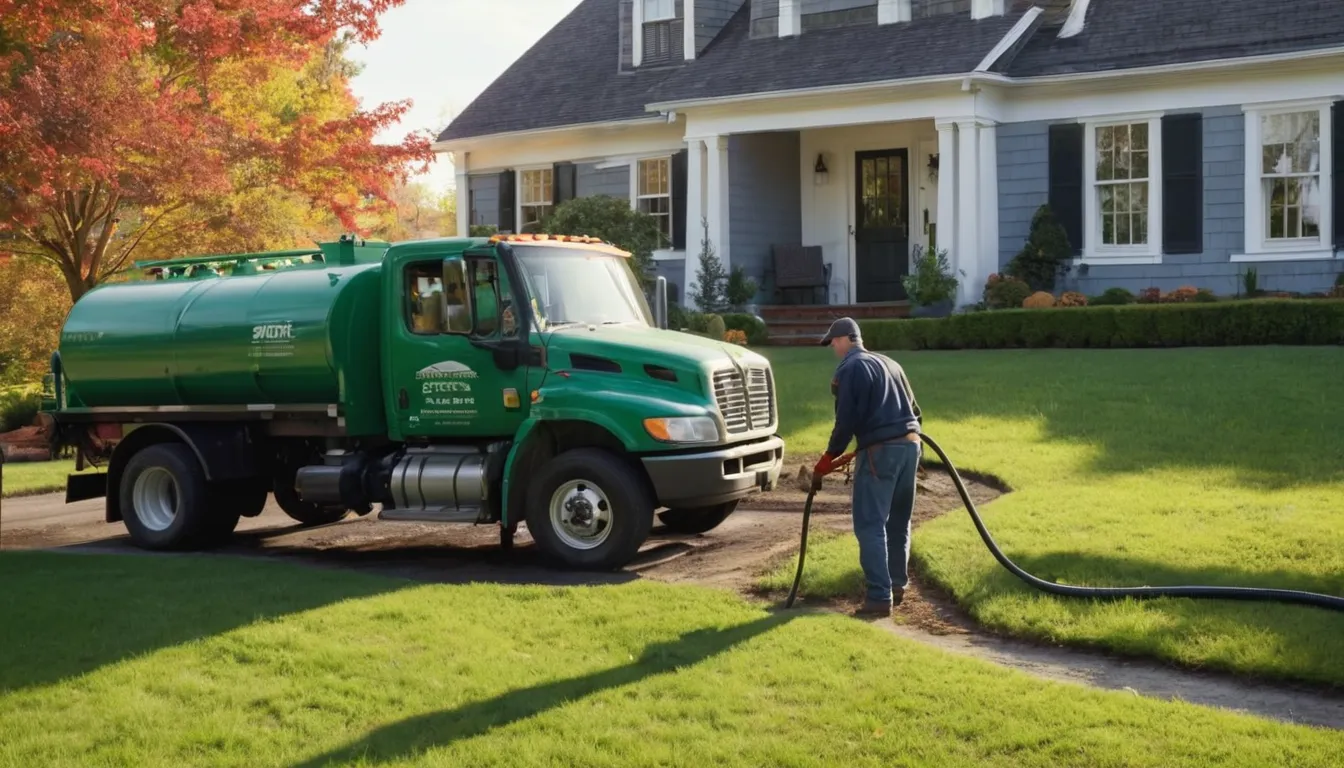
A lot of people think a septic tank only needs attention when something goes wrong. In practice, the tank fills quietly for years. Solids build up, and one day they slip into the drainfield, where repairs cost far more than a pumping.
Latelydesk Septic is a referral service. We do not pump tanks ourselves. We connect homeowners in Mount Airy and the Mount Airy area with independent local providers who do the work. Tell us what you are seeing, and a provider in our network can talk through timing, access and a written quote that fits your schedule.
Think Your Tank Is Fine? Check These Signs First
A lot of people think a septic tank is fine until sewage shows up in the yard. In practice, small signs come first. Catch it early and the fix is usually a simple pumping.
Watch for these:
- Drains that gurgle or run slow in more than one room
- A sewage smell near the tank lid or drainfield
- Wet, spongy or extra-green grass over the system
- Toilets that flush weakly or back up
- Water pooling in the yard after normal use
If you see more than one, Request a callback to check provider availability.
Myth: "If It Drains, It's Fine"
A tank can drain well and still be nearly full. The liquid leaves through the outlet while sludge and scum keep stacking up. When those layers get too thick, solids can slip into the drainfield and clog it. That is the costly repair many owners are trying to avoid. Pumping removes the buildup before it travels.
Why Regular Pumping Matters
Your tank works by separating waste into three layers. Heavy solids sink, grease and light material float, and clearer water sits in the middle. Bacteria break down some of it, but not all. Pumping clears what bacteria cannot.
Regular pumping helps you:
- Protect the drainfield, which is the most expensive part of the system
- Avoid backups in basements and low drains
- Keep odors away from the yard
- Spot cracks, leaks or worn baffles while the lid is open
How Often Should You Pump?
Myth: "Every system needs pumping every year." In practice, many households land somewhere around every three to five years. The right schedule depends on tank size, how many people live in the home, and how much water and waste go in.
A larger family or a small tank usually means more frequent visits. A garbage disposal adds solids too. A local provider can measure the sludge layer and suggest a schedule that fits your home.
Four Seasons, Different Timing
In a climate with humid summers and freeze-thaw winters, timing matters. Frozen ground can make lids hard to reach. Heavy spring rain can leave the drainfield soggy and slow to recover. Many homeowners book pumping in late spring or early fall. Plan around life, and avoid the week of a big family event.
Emergency Septic Cleaning: When Waiting Is Risky
Some situations cannot wait for a convenient week. Sewage in a basement drain, a toilet that will not stop backing up, or standing wastewater in the yard all call for emergency septic cleaning. Stop using water in the house and keep kids and pets away from wet areas. Then ask a provider about availability. Many providers can respond quickly, but hours vary.
What Happens During a Pumping Visit
The visit is simpler than most people expect. The provider locates the tank, opens the lids and checks the liquid level. A hose and truck remove the sludge and scum. Many providers then look at the baffles and the outlet to see whether anything is cracked or blocked.
Most visits take a few hours at most. You usually do not need to be in the house, though someone should be reachable for questions.
Keeping Disruption Low for Busy Households
A pumping visit does not have to take over your week. Ask whether the provider can give a time window and whether you need to be home. Clear a path to the lids, move cars and toys, and put dogs inside. If the house has several people, ask the family to go easy on laundry the day before.
Pumping and Inspections
Pumping and inspecting are not the same thing. A pump-out empties the tank. An inspection looks at the condition of the tank, the pipes and the drainfield. Ask the provider what is included, because some add a basic look at the baffles and others offer a fuller check for an extra fee.
If the inspection finds a worn part or a damp drainfield, ask for the findings in writing. That helps you compare quotes for follow-up work. For drainfield repair or other fixes, see the other service pages on this site.
Buying or Selling a Home With a Septic System
Many lenders and local rules ask for a pumping and inspection before a sale. Buyers often want to see a recent record. If you are selling, pumping ahead of time can remove a surprise. If you are buying, ask the seller for past pumping dates and the tank size. If the home also uses water well service, mention it, since testing and system placement often go together.
Caring for Your System Between Pumpings
Myth: "Septic additives replace pumping." They do not. Daily habits do more.
- Spread laundry across the week instead of doing it all in one day
- Use only toilet paper that breaks down easily
- Keep grease, wipes and coffee grounds out of the drains
- Fix dripping faucets and running toilets
- Keep cars and heavy equipment off the drainfield
- Plant grass, not trees, over the system
Questions to Ask the Provider
Before you book, ask a few plain questions:
- What is the tank size, and how is the price set?
- Is the inspection of baffles and filters included?
- Can you give me a written quote and a time window?
- What will you tell me about the tank's condition afterward?
- How do I get a record of the visit?
A clear answer to each is a good sign.
Ready to Plan Your Pumping?
If your tank is overdue or you are seeing early signs, a short conversation can sort out the next step. Request a callback to check provider availability, or send a request for an estimate. Latelydesk Septic makes the introduction, and the independent provider does the work.
What's Included
Tank Pump-Out
A provider removes sludge and scum from the tank so solids stay out of your drainfield.
Lid and Baffle Check
Many providers look at lids, baffles and outlets for cracks, wear or blockages.
Emergency Septic Cleaning
If sewage is backing up, ask a provider about urgent availability and what to do meanwhile.
Service Notes
Some providers record the tank size, sludge level and condition so you can plan your next visit.
Typical Septic Pumping Costs
Septic pumping prices vary with tank size, access, location and how full the tank is. These are typical U.S. ranges, not quotes. Always ask the provider for a written quote before work starts.
| Item | Typical range | Notes |
|---|---|---|
| Standard pump-out (1,000 gallons) | $250 – $600 | Most common for smaller homes |
| Larger tank (1,500+ gallons) | $400 – $900 | Price rises with volume |
| Basic tank inspection | $100 – $300 | Sometimes bundled with pumping |
| Pumping plus full inspection | $350 – $800 | Common before a home sale |
| Dug-out or buried lid access | $100 – $400 | Added when the lid is hard to reach |
| Emergency or after-hours visit | $400 – $1,000 | Depends on provider and timing |
How It Works
Share Your Signs
Tell us what you see, such as slow drains, odors or wet grass, and when you last pumped.
We Make an Introduction
Latelydesk Septic connects you with a local provider in our network.
Review the Quote
Ask for a written quote, a time window and what the visit includes.
Provider Does the Work
The independent provider pumps the tank, checks key parts and explains what they found.
Why Call Latelydesk Septic
Plain Answers
We explain what is a myth and what is real, so you can decide with clear facts.
Local Providers
Independent providers in our network know local soil, weather and typical home layouts.
Fits Your Week
Ask providers about time windows so the visit works around school, work and family plans.
Written Quotes
Ask each provider for a written quote so you can compare options with no obligation.
Other Services

Need septic tank pumping in Mount Airy?
Noticing a slow drain, a smell or a soggy yard? Send a request and a local provider in our network will follow up. There is no obligation.
No obligationSeptic Tank Pumping FAQ
How often should a septic tank be pumped?
Many homes need pumping every three to five years, but it depends on tank size, household size and water use. A local provider can measure the sludge layer and suggest a schedule.
What are the signs my septic tank is full?
Slow drains, gurgling pipes, sewage odors, soggy grass over the tank or drainfield, and toilets that back up are common signs. If you notice several, ask a provider to check soon.
Does Latelydesk Septic pump septic tanks?
No. Latelydesk Septic is a referral service. We connect homeowners with independent local providers, and the provider does the pumping and sets the price.
Reach a local provider
Noticing a slow drain, a smell or a soggy yard? Send a request and a local provider in our network will follow up. There is no obligation.
No obligation